
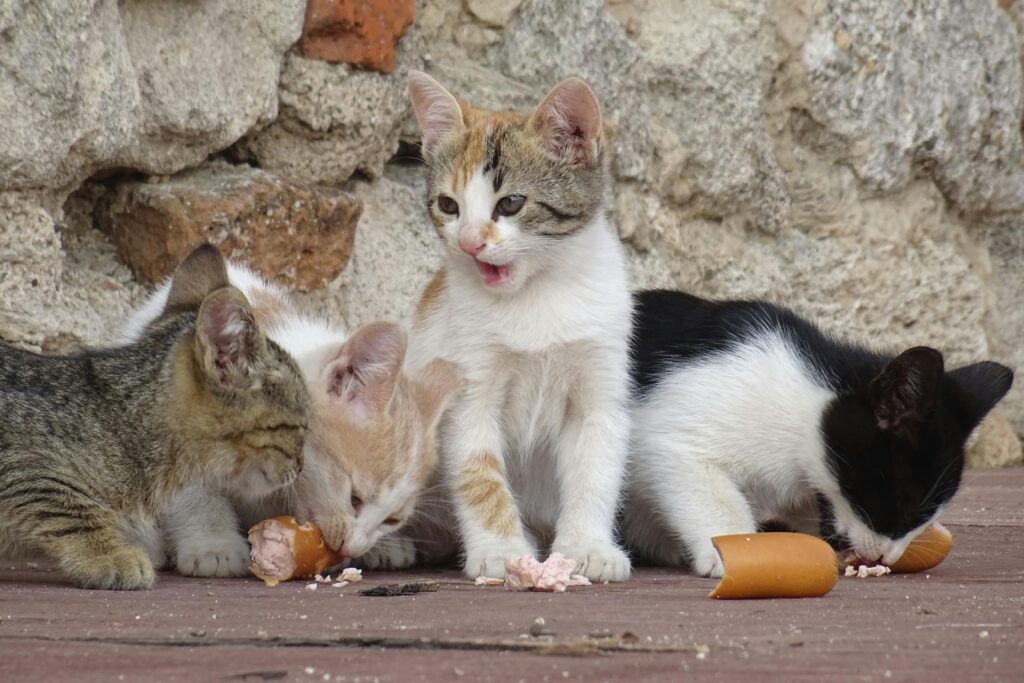
Your cat’s meals should always be a priority since the diet throughout its life will affect how its old age will be. Providing them with the nutrients and proteins their body needs will make a big difference in preventing diseases associated with the consumption of certain foods. For this reason, I will show you 4 foods you should avoid giving your cat.
You must keep in mind that not all cats are the same, the symptoms or diseases produced by the consumption of these foods may not be the same or directly do not affect them, it all depends on their weight and the amount of food ingested.
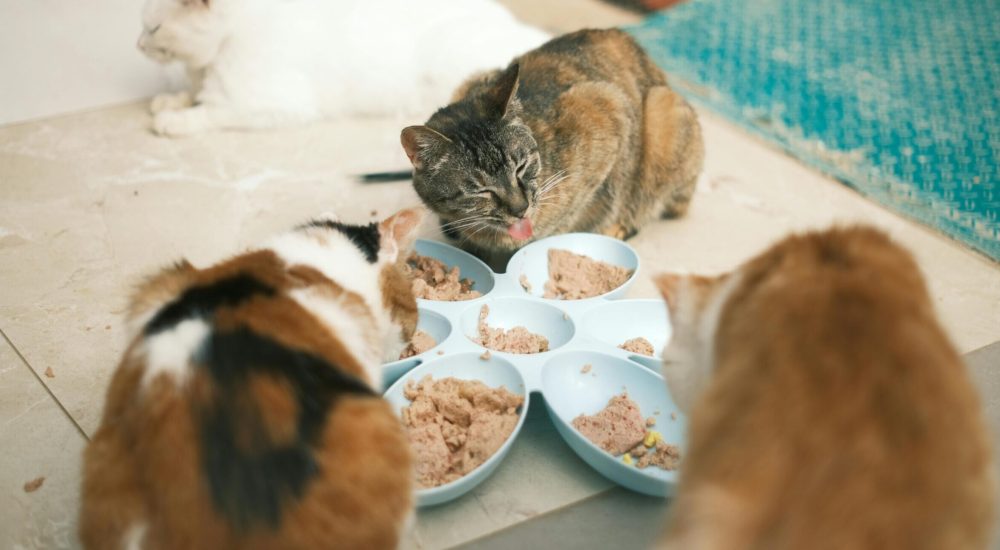
Onion or chives
This food that we normally use in our meals can be dangerous depending on your pet’s weight since a toxic dose is 1 gram of onion for every 2.5 kilograms of your cat’s body weight. Its toxicity comes from its high content of sulfur compounds, which directly depend on the amount of sulfides in the soil in which they were grown.
The reason why cats are so sensitive to this type of food is because of the particular structure of their hemoglobin and the lack of some detoxifying enzymes; for them it is difficult to process and can harm red blood cells to the point of hemolytic anemia
Fish
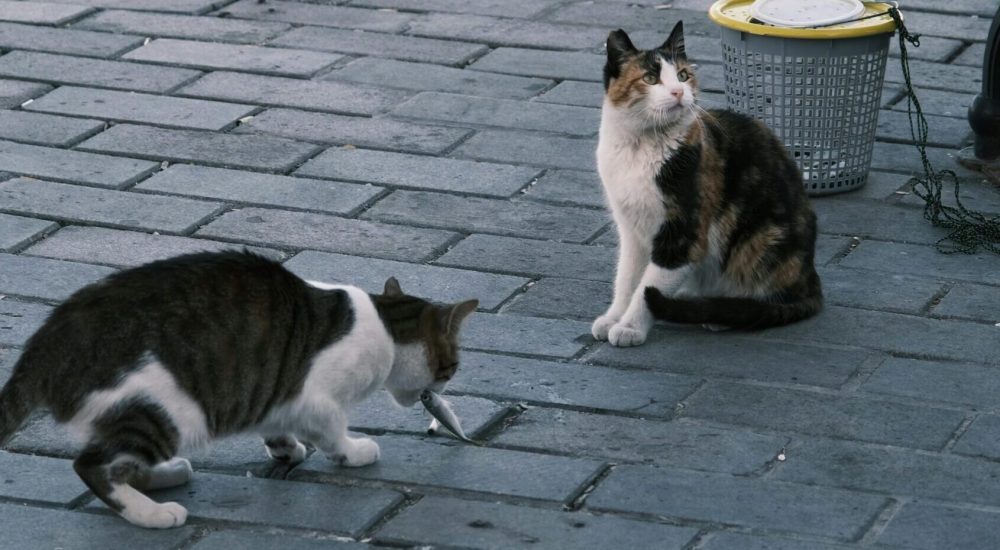
It is not a forbidden food for your cat, but the liver or viscera of raw fish contain thiaminase, an enzyme that destroys vitamin B1; therefore, it is not recommended that they consume it regularly.
If your cat happens to eat contaminated raw fish, you should pay attention to any symptoms it may show, such as vomiting, diarrhea, or high fever. If you decide to incorporate fish into your pet’s diet, it is better to do so with high-quality canned cat food that contains salmon and does not have added seasonings or sauces.
Coffee and chocolate
These two foods contain theobromine, which when consumed in large amounts is difficult for them to digest and can cause poisoning. In the case of chocolate, its risk depends on the type; for example, white chocolate contains the least amount of theobromine, which makes it less toxic but still harmful due to sugars and fat, unlike dark chocolate or baking chocolate, which are extremely toxic due to their high amounts of theobromine.
The symptoms of consuming either of the two foods can vary between hyperactivity, excessive thirst, tremors or seizures, gastrointestinal discomfort, increased body temperature, or increased heart rate; if your cat consumes chocolate, you must be attentive since symptoms can appear from 1 to 4 hours or up to 24 hours after ingestion.
Foods with bones
Foods with bones: cooked bones are a bad choice for feeding your cat because when cooked they change their texture, becoming softer and easier to splinter, creating sharp fragments that when ingested can lead to internal injuries, such as perforations in the gastrointestinal tract.
If you decide to include meaty bones in your adult cat’s diet, keep in mind that it is best to do so 1 or 2 times a week with several days in between, that they are raw, and that they have some meat around them. This helps satisfy their carnivorous side by providing nutrients that kibble does not offer, and of course, avoid feeding small cats because they can choke.
Of course, if you notice that your cat has a bad reaction to consuming a food, it is always best to take it to a veterinarian who will perform the appropriate tests and provide suitable treatment.