

Your cat’s bone health has to be a topic to consider when they start to age; after years of life, the muscles and bones tend to weaken alongside the lifestyle that our cat has had.
The cat’s skeleton consists of an average of 244 bones distributed in a way that makes them more flexible and light, thanks to the fact that their spine is made up of vertebrae thicker than those of other animals, which allows for faster movements and longer jumps.
Their clavicle is not like ours, which is in the shoulders, but floats freely, attached to the body by muscles and ligaments, giving them greater freedom of movement in almost all directions.
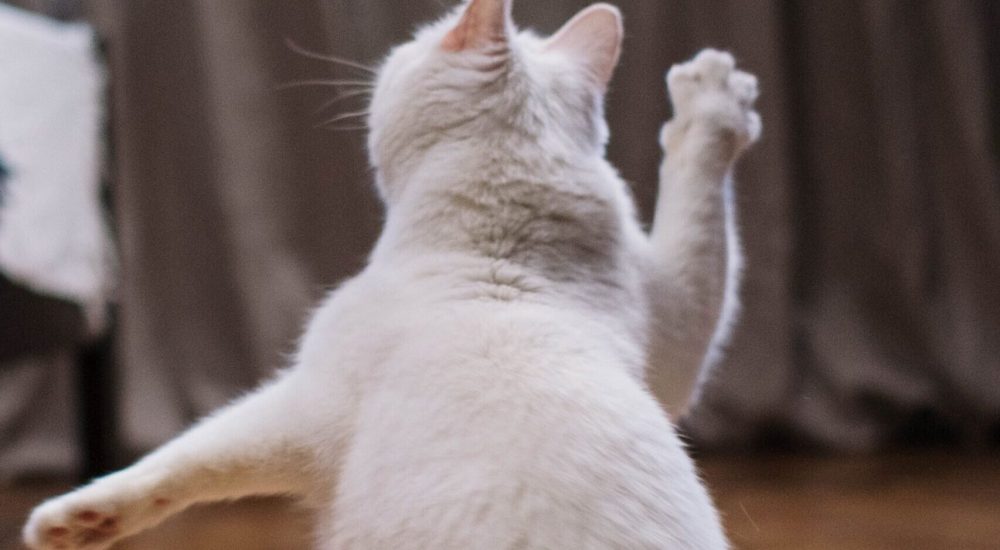
Cats are in constant motion throughout their lives, whether jumping or running, leading to the progressive loss of the cartilage that protects the joints, which causes diseases such as osteoarthritis, a common condition in older cats that causes pain, stiffness, and limitations in movement.
How we prevent wear in your cat's bone health
Appropriate weight:
maintaining it at its ideal weight will help avoid overloading its joints, so if your cat starts gaining more weight than it should, the best thing will be to maintain a diet and support it with exercises recommended by a veterinarian
Help them with supplements:
If you already have an older cat, there are a variety of supplements for your cat’s bone health on the market, make sure to consult a veterinarian first so that it suits your cat’s specifications.
Keep it moving:
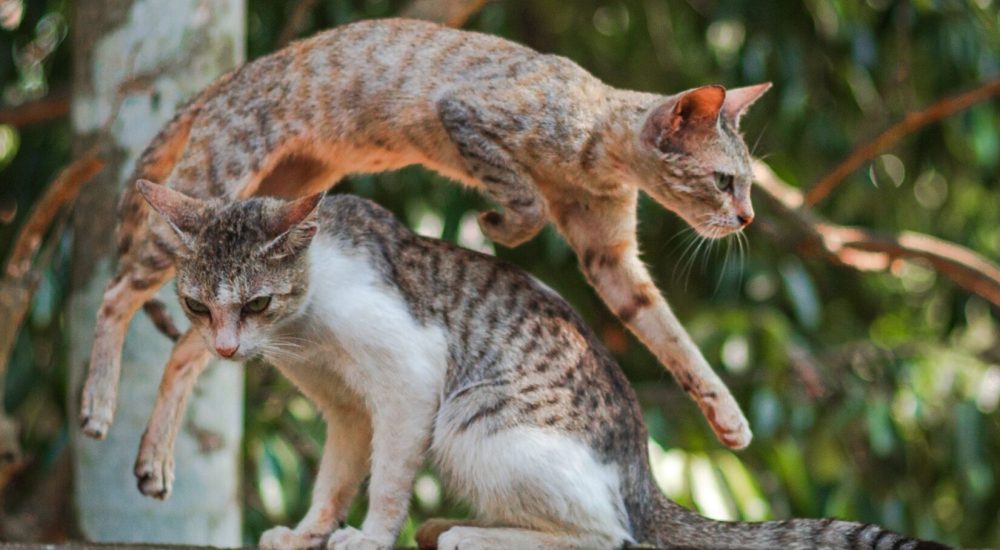
Providing your kittens and young cats with adequate spaces to jump or run freely will bring them long-term benefits. Your cat moves by instinct, but on some occasions, depending on its age and health, veterinarians will recommend exercises to keep its body active.
Early diagnosis:
Taking your pet for a general check-up every so often will help you detect if something is wrong and provide early treatment.
And remember that your cat’s health depends on you and the attention you give to any symptoms it shows, especially when your cat is of advanced age.